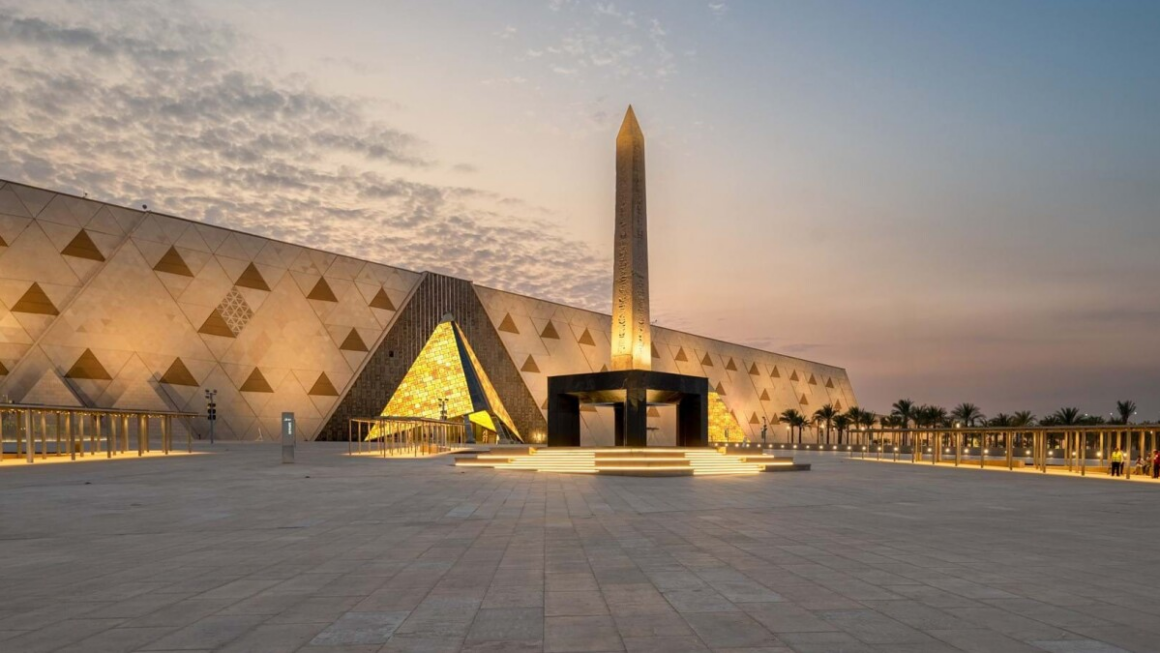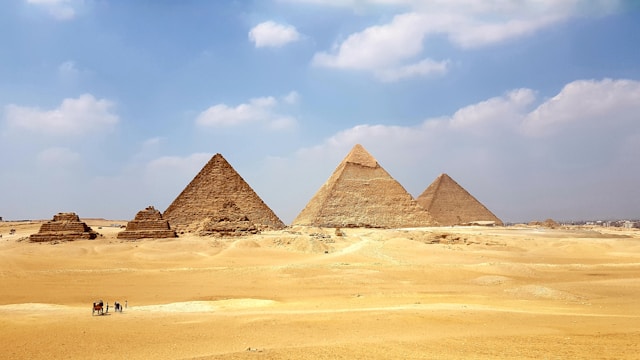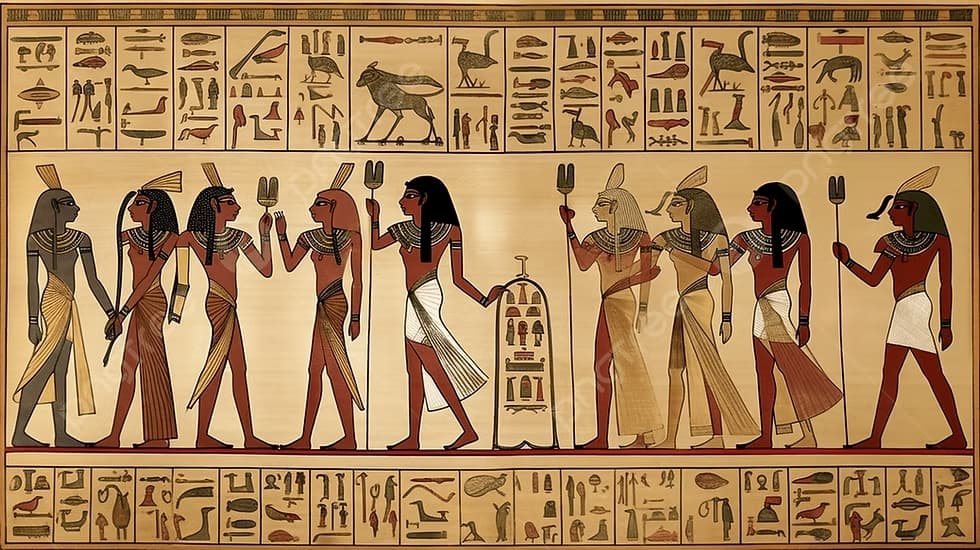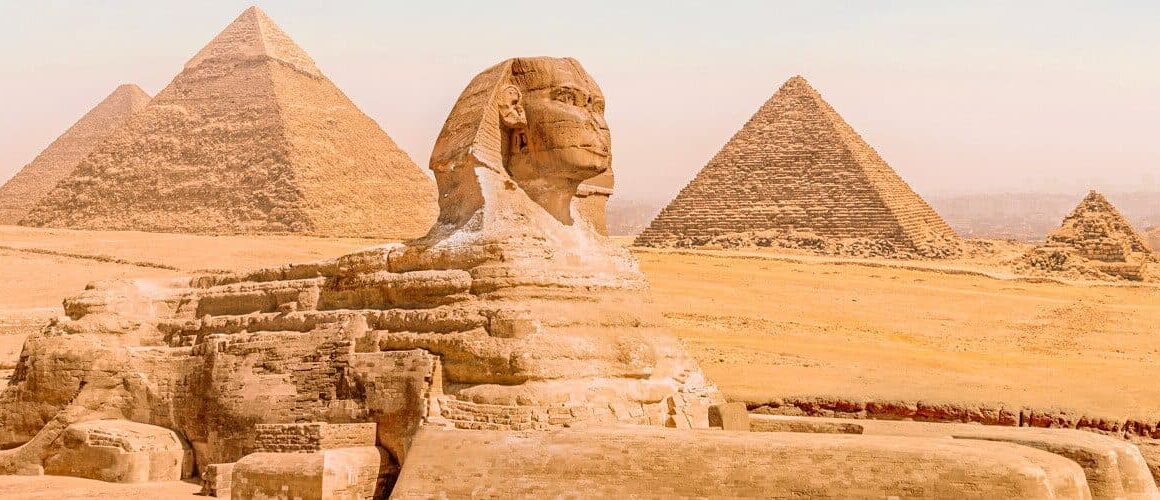
When we think of Ancient Egypt, our thoughts inevitably turn to the majestic pyramids of Giza and the mysterious Sphinx, whose images have become symbols of ancient wisdom and unsolved riddles. These structures, located in the heart of the Egyptian desert, have endured for centuries, preserving secrets that remain largely undiscovered. But why, in Giza, did the desert, with its harsh climate and inhospitable landscape, manage to keep so many mysteries? And how did the ancient Egyptians manage to construct such grand monuments that still astonish us by modern standards?
The Mysteries of the Sphinx: Symbol and Guardian
The Sphinx, guarding the pyramids of Giza, stands watch not only over physical structures but also over spiritual ones. This mythical creature, with the body of a lion and the head of a human, has captured the attention of both tourists and scholars for thousands of years. Although the Sphinx is carved from stone, its true purpose remains a subject of debate. Some believe its construction is connected to Pharaoh Khafre, whose name is often associated with several stories about his reign in the 4th Dynasty. But why is it not just a statue, but something much more, harboring so many secrets?
The Sphinx is not only a guardian of the pyramids but also a symbol of Egypt. Its grandeur makes one think about a deeper meaning of these structures. Perhaps this is an expression of the strength and wisdom of the rulers of that time, or maybe within this stone figure lies a hidden idea or even a cosmological message that has been lost over time. Scholars still debate the age of the Sphinx, and its origins remain unclear. Some studies suggest that it might be older than the pyramids, adding yet another layer of mystery to the history of ancient Egypt.
The Pyramids of Giza: A Marvel of Engineering
The pyramids built in Giza rightfully stand as one of the Seven Wonders of the Ancient World. The Great Pyramid, constructed for Pharaoh Khufu, stands out, measuring 146 meters in height (now 138 meters) and weighing over 6 million tons. But how did the ancient Egyptians manage to create such a monumental structure using primitive technology? The answer to this question continues to generate many hypotheses.
One of the most popular theories is the use of inclined ramps and pulleys to lift the massive stone blocks. However, despite the efforts of archaeologists and engineers, there is still no precise explanation for all aspects of the construction process. Even today, building something similar would require advanced technologies and resources.
The Egyptians, apparently, had not only impressive engineering skills but also a sophisticated understanding of astronomy. The pyramids, like other monumental structures, are aligned with the stars, emphasizing their close connection to the heavens. By studying these structures, researchers have discovered that they may have been used for astronomical observations and calendar calculations, allowing the pharaohs and priests to accurately determine the time, days, and months for conducting religious rituals.
The Desert as a Repository
One factor that has allowed these grand monuments to survive to the present day is the unpredictable climate of Egypt. The harsh desert played a role in protecting the pyramids and the Sphinx from destruction caused by rain and natural disasters, which are rare in this region. The low humidity and infrequent rainfall created ideal conditions for preserving the stone monuments, preventing them from deteriorating quickly.
However, despite the climatic advantages, the desert has also remained a threat to the preservation of these unique monuments. Sandstorms and winds contribute to the erosion of the stone surfaces, and human activity, including tourism and archaeological excavations, also poses a risk to these ancient objects. In recent decades, efforts have been made to protect Giza, including the development of modern conservation and restoration methods to minimize the effects of time and the surrounding environment.
Mysteries Yet to Be Unraveled
Giza remains a site for ongoing archaeological research. Scholars continue to search for new clues that might shed light on the ancient practices and beliefs of the Egyptians. One of the most discussed questions is the existence of so-called “secret chambers” inside the pyramids. Researchers have long been unable to conceive that these monumental structures might conceal additional spaces that could contain important artifacts related to royal burials.
Recent studies, such as the use of space technologies to detect hidden chambers, have raised hopes of uncovering new elements that could change our understanding of Egypt and its history. Scholars are also continuing to search for evidence that Ancient Egypt possessed more advanced technologies and scientific knowledge than previously thought.
Conclusion
The pyramids of Giza and the Sphinx are not just monuments of antiquity but living testimonies of the wisdom, engineering genius, and spiritual legacy of the Egyptians. These majestic structures continue to inspire people from all over the world, reminding us that even in the harshest conditions, like those of the desert, incredible secrets can be preserved, leaving their mark on the history of humanity. Secrets that still remain to be unraveled, and which will continue to attract the attention of future generations of researchers and travelers.